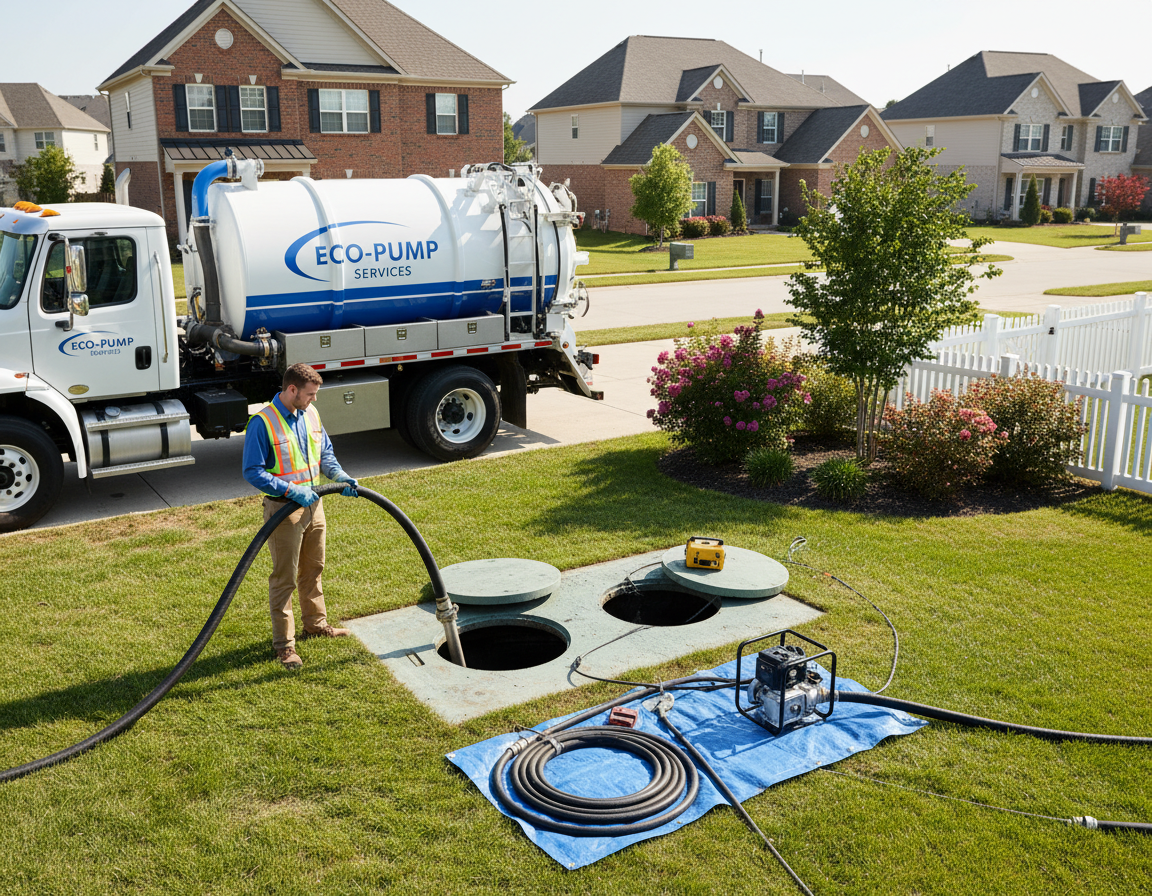
One morning in Topanga, a neighbor mentioned their plumbing issues. Their sinks were clogged, and there was a clear sewer odor outdoors. They had neglected their septic system for years, assuming it could wait. Yet when a Rooter Man technician arrived for an inspection, the situation demanded immediate pumping and thorough cleaning.
Click here for Septic Services Topanga
This situation shows how essential routine maintenance is. For those needing Septic Tank Pumping Topanga services, experts recommend to schedule pumping every three to five years. Ignoring this advice could lead to more serious issues and higher expenses.
Top-rated services in Topanga use advanced techniques, such as hydro jetting and video inspections. This ensures precise defect identification and comprehensive service records. Several businesses, including local certified plumbers, provide round-the-clock emergency services. They also offer clear pricing and discounts for first-time customers, making immediate help both accessible and affordable.
Why Routine Septic Tank Pumping Matters In Topanga
Regular maintenance is essential for a septic system to function without unexpected issues. In Topanga, consistent maintenance prevents the buildup of sludge and scum. This buildup can block the system’s pipes. By scheduling routine service, homeowners can avoid expensive repairs and ensure efficient wastewater treatment.
How Septic Systems Work In Topanga Homes
Septic tanks in Topanga separate waste into sludge, effluent, and scum. Beneficial bacteria and natural processes break down the solids. Then, the clarified effluent exits the tank and flows into a drain field. There, soil percolation completes the treatment process.
Proper maintenance helps keep these layers balanced. Removing solids on a regular basis means the drain field handles mostly liquid. This supports soil bacteria in doing their job and helps protect groundwater quality.
Consequences Of Neglect: Backups, Leaks, And System Failure
Ignoring a tank allows sludge to reach the outlet and clog the drain field. This can cause slow drains, foul odors, surface pooling, and raw sewage backups. Repairing a failed drain field or replacing a collapsed tank is far more expensive than staying current with regular maintenance.
Regular pumping and inspections from topanga septic services reduce the risk of leaks and system breakdowns. These preventive steps help homeowners avoid emergencies and preserve property value.
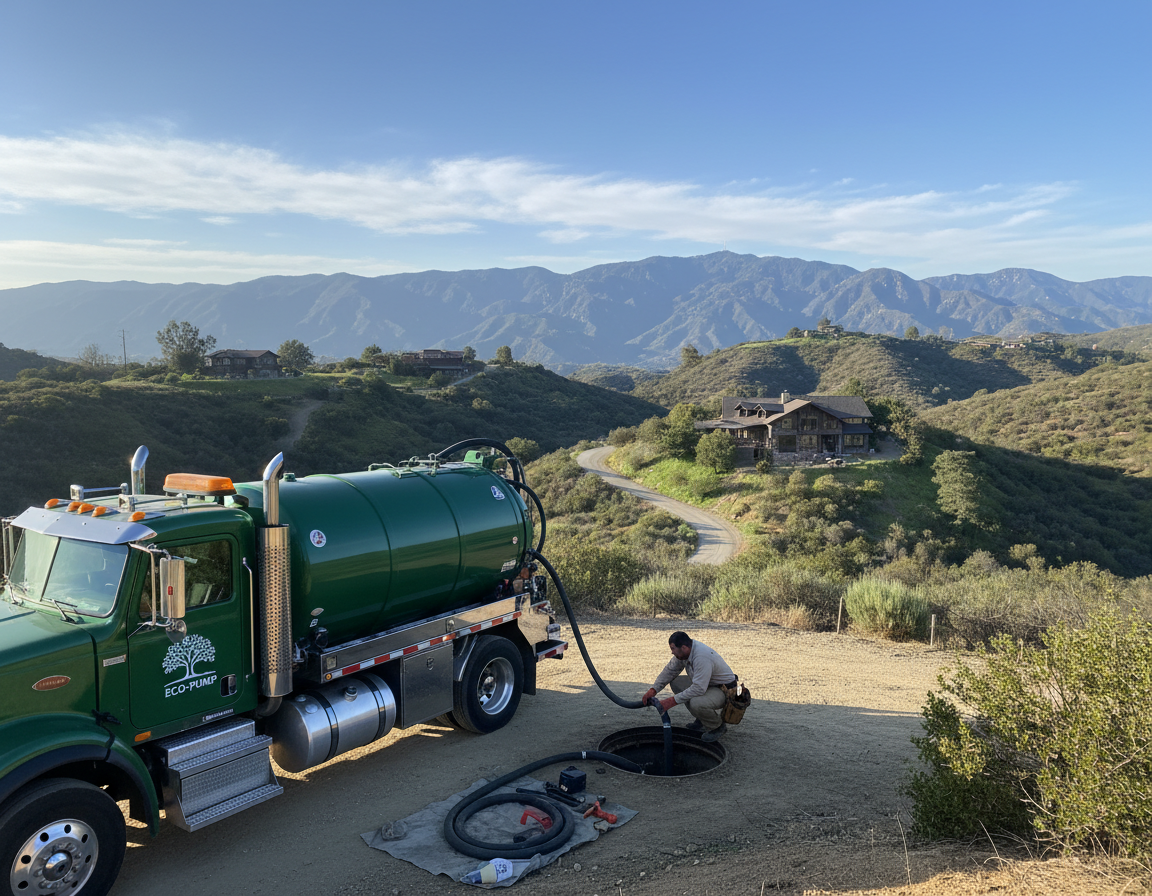
Soil And Terrain Factors That Affect Septic Performance
The mixed soils, steep hills, and rocky conditions in Topanga affect drain field percolation. Poor drainage or high groundwater reduces the soil’s ability to treat wastewater, which can shorten the life of a drain field. Saturated soil may force effluent upward, leading to surface pooling and unpleasant smells.
It is smart for homeowners to schedule septic tank pumping in Topanga based on soil conditions and terrain. Pairing routine pumping with occasional camera inspections gives a more complete picture of a system’s condition in this challenging landscape.
Topanga Septic Tank Pumping
Pumping at the right time is important for system performance and yard health. Homeowners often have their tanks pumped every 3 to 5 years. The exact interval depends on tank size and the number of people living in the home.
Smaller tanks or larger households usually require more frequent service. For example, a 500-gallon tank may need pumping after 3 years for two people. By contrast, a 1,250-gallon tank serving five people may last up to 5 years. It is always best to consult local experts or septic tank professionals in Topanga to create a plan suited to the property.
Several warning signs show when it is time for a pump. These include slow drains, unpleasant odors, and toilets that bubble when someone showers. If you do not have recent pumping records or it has been more than five years, schedule an inspection promptly.
In Topanga, septic service companies recommend keeping accurate records of every pumping visit. Knowing your tank size and last service date helps predict future maintenance needs. It also helps determine whether you need a standard pump or a complete cleaning.
Emergencies happen when tanks become too full or drain fields begin to fail. Warning signs include overflowing fixtures, sewage on the lawn, or intense sewer odors. In those situations, quick action is essential. Keep the number of a trusted contractor close by.
Many local companies provide 24/7 emergency assistance. A fast, professional response helps reduce both risk and damage. Be ready to share your location, a summary of the issue, and the date of the last service when making an urgent call.
Topanga Septic Services Available From Septic Services Of LA
Septic Services of LA offers a broad range of services for Topanga homes and local businesses. The company uses advanced techniques and follows licensing requirements to help ensure reliable performance. Before any job begins, customers receive a detailed quote and a realistic service timeline.
Standard Pumping And Routine Septic Maintenance
Regularly scheduled pumping removes solids and scum, improves tank capacity, and helps prevent blockages. The timing of maintenance visits is based on tank size and daily use. This proactive approach reduces the need for emergency service and extends the life of the system.
Comprehensive Septic Cleaning And Scum Removal
Cleaning goes beyond ordinary pumping by including scum removal and a full tank clean-out. All waste disposal is handled in accordance with California environmental regulations. Choosing this deeper cleaning from time to time helps the system work efficiently while also reducing odors.
Camera Diagnostics And Video Inspections
Modern camera inspections quickly reveal blockages, cracked pipes, and root intrusion, removing much of the guesswork. Property owners can then review video evidence and make informed repair decisions. This approach is especially effective when paired with precise hydro jetting or other targeted repairs.
Additional services include hydro jetting for serious clogs, careful grease trap maintenance, and 24/7 emergency support. Choosing an experienced provider with the proper tools is essential for protecting property value and avoiding expensive system failures.
What To Expect From Topanga Septic Tank Cleaning
Topanga septic tank cleaning involves more than simple waste removal. The goal is to restore the tank’s function and delay the return of heavy sludge buildup. Homeowners can expect a clear service plan, proper safety measures, and a complete report after the work is finished.
How Cleaning Differs From Pumping
Pumping focuses on removing waste and scum from the tank. Cleaning includes that service, plus a deeper wash, scraping scum layers, and close inspection of baffles. This more intensive process refreshes the tank, helps keep sludge away from the lines, and lowers the risk of clogs.
Step-By-Step Of A Professional Septic Tank Cleaning
Professionals begin by uncovering the tank lids so they can access the system safely. They then use a vacuum truck to remove solids, scum, and liquids carefully and completely.
The next stage includes a detailed cleaning and inspection of the tank interior. Technicians evaluate the condition of the baffles, inlet and outlet tees, and the level of remaining sludge. If necessary, hydro jetting is used to clear serious blockages in the system.
A camera inspection often finishes the job, helping confirm that there are no immediate issues in the pipes or drain field. This video inspection can reveal cracks, invading roots, or buildup that may need further attention or future monitoring.
How Septic Services Of LA Documents Inspections And Cleanup
After each visit, Septic Services of LA provides a detailed written report. The report explains the volume removed, the condition of the system, and any recommended next steps. For added confirmation or for property sale purposes, customers may also request recorded video inspections.
This documentation supports ongoing maintenance and future planning for septic tank service. Working with skilled septic tank pumping teams in Topanga that provide accurate records gives homeowners a dependable maintenance history and greater peace of mind.
Best Practices For Topanga Septic System Maintenance
Simple habits and routine inspections can go a long way toward keeping a septic system healthy. Proper care extends system life, helps prevent backups, and lowers long-term costs. This section covers habits to avoid, homeowner checks to perform, and a maintenance schedule that works well for many Topanga homes.
User Habits That Reduce System Strain (What Not To Flush)
Avoid flushing grease, coffee grounds, cooking oil, and large food scraps. These materials can clog pipes and interfere with the drain field. Homeowners should also avoid flushing wet wipes, sanitary products, cotton swabs, and dental floss because they do not break down easily. Ignoring these habits can lead to more frequent and expensive visits from Topanga septic tank pumping companies.
Try to limit the use of harsh chemical drain cleaners and antibacterial soaps. These products can harm the beneficial bacteria that digest solids inside your tank. When you are unsure about an item, it is better to throw bulky waste in the trash rather than flush it.
Routine Checks Homeowners Can Perform
Watch for slow drains, noisy toilets, and ongoing sewage odors. After heavy rain, inspect the drain field for soggy spots or unusual plant growth. Homeowners should also check all lids and access points for damage and make sure they stay securely fastened to prevent accidents.
Keeping a simple log of what you notice, along with service records, is extremely helpful. Many companies provide detailed reports and videos after visits. Pairing those records with your own photos after service creates a more complete maintenance history.
Maintenance Schedule And Recordkeeping Recommendations
Most households should have their system professionally pumped every three to five years, depending on tank size and the number of occupants. If more than five years have passed, a full clean may be needed. Ask about scum and sludge removal, and plan camera inspections at intervals that fit your property’s needs.
| Service Task |
Recommended Frequency |
Reason It Matters |
| Scheduled pumping |
Every 3–5 years |
Reduces solids buildup that can cause backups and drain-field failure |
| Inspection with camera |
Every 2 to 5 years or after issues appear |
Shows clogs, cracks, and baffle issues without excavation |
| Sludge and scum cleaning |
As recommended during pumping |
Helps bacterial action and lowers odors |
| Simple homeowner checks |
Monthly |
Early detection of slow drains, odors, or wet spots |
| Service records |
Continuous |
Keeps a service history for resale and warranty needs |
When comparing service options, consider both quality and price. Get estimates from local professionals and ask for clear scopes of work. Topanga has affordable service options, but the lowest quote may skip critical inspections or cut corners on cleaning. By keeping detailed records and choosing a reputable provider, homeowners protect both their property and the environment.
Choosing Topanga Septic Tank Pumping Companies
Choosing the right contractor for septic care matters. Look for local companies with verified credentials, modern equipment, and a reputation for timely service. Homeowners should compare offers carefully before committing to a provider.
Licensing, Insurance, And Local Credentials To Verify
Confirm that the company holds a valid California license for plumbing or contracting work. It should also carry liability insurance and worker’s compensation coverage. Always ask for proof of local permits and any relevant health documentation. Companies like Septic Services of LA generally provide this information when requested.
Questions To Ask Before Hiring A Contractor
- Do you offer emergency service and 24/7 response times?
- Can I get a written estimate showing labor, disposal fees, and additional charges?
- Will you perform video inspections and give me the recordings?
- Which disposal methods do you use, and do they follow Los Angeles County regulations?
- Do you offer maintenance plans, warranties, or first-time customer discounts?
Comparing quotes: value vs. lowest price
Collect at least three detailed quotes before deciding. A very low price may mean the company is skipping inspections, hydro jetting, or proper disposal practices. Good-value providers explain the difference between pumping and deep cleaning, provide inspection records, and use up-to-date equipment.
For greater peace of mind, choose companies with solid experience and thorough inspection procedures. Do not base your decision only on the cheapest quote. Strong providers offer transparent pricing, current technology, and reliable guarantees.
For dependable septic tank service in Topanga, select companies that understand local requirements and terrain. The best providers offer clear estimates, emergency readiness, and a service process that protects both the system and the home.
Best Septic Tank Pumping Topanga: What Makes Top-Rated Providers Different
Selecting the right septic company in Topanga starts with confirming qualifications and local experience. Homeowners often favor providers with long service histories, trustworthy reviews, and licensing that meets California’s strict standards.
Reviews, Experience, And Local Reputation
Top-rated septic services in Topanga usually have years of practical experience. That experience is often reflected in strong ratings, repeat customers, and steady word-of-mouth referrals.
Look for genuine customer reviews, Better Business Bureau membership or accreditation, and local recognition. These details often point to dependable service, efficient work, and respect for homeowners’ properties.
Technology And Equipment Benefits (Hydro Jetting, Video Inspection)
Modern equipment allows technicians to identify issues quickly and accurately, which may reduce overall costs. Hydro jetting can remove stubborn clogs that normal pumping alone cannot reach.
Video inspections provide a direct view of system problems without requiring major digging. These tools improve diagnostic accuracy and reduce disruption during septic maintenance in Topanga.
Transparent Pricing And Service Guarantees
Trusted providers give detailed estimates upfront and explain any additional charges clearly. That level of transparency helps prevent surprise costs and builds homeowner confidence.
Comprehensive guarantees, detailed inspections, and readiness for emergencies are often what separate the best providers from average ones. Maintenance plan discounts and proof of completed service, such as video documentation, also show a strong commitment to quality and accountability.
| Provider Feature |
What to Expect |
Why It Matters |
| Years of Experience |
10–50+ years with licensed technicians |
Leads to fewer errors, quicker diagnosis, and dependable outcomes |
| Reviews |
Verified reviews and local recommendations |
Real-world proof of quality and punctuality |
| Hydro jetting |
High-pressure cleaning for pipes and lines |
Removes roots and buildup ordinary pumping can miss |
| Recorded Video Inspections |
Camera diagnostics with written reports |
Pinpoints faults, reduces excavation, documents work |
| Pricing |
Written quotes, itemized charges, and maintenance discounts |
Reduces surprise costs while building trust and aiding budgeting |
| Guarantees |
Warranties, emergency availability, and follow-up inspections |
Helps ensure corrective action and peace of mind |
Evaluate providers based on long-term value rather than upfront price alone. The strongest septic companies in Topanga combine proven experience, updated technology, and straightforward policies. That mix often leads to fewer future problems and more cost-effective system care.
Budget-Friendly Septic Tank Pumping Topanga Options
Finding reliable and affordable septic tank pumping in Topanga takes a mix of careful research and a few basic checks. Local companies often try to balance fair pricing with dependable service. Comparing both cost and quality helps protect the system over the long term.
Discounts And First-Time Customer Offers From Septic Services Of LA
Septic Services of LA offers promotions that can lower initial costs. These may include 10% off for first-time customers and $50 off jobs over $500. Bundling pumping with inspections can also lower yearly maintenance expenses.
How To Evaluate Affordable Vs. Cheap Services
Affordable service should never mean cutting essential corners. Make sure technicians are properly licensed in California and use hydro jetting and camera inspections when needed. It is also wise to request warranties, written estimates, and documentation for completed work.
Very low bids may leave out important services. A cheaper quote might exclude camera inspections or proper disposal procedures. To judge real value, look closely at the provider’s equipment, credentials, and reviews from other Topanga homeowners.
Tips To Save On Long-Term Septic Costs Through Preventive Care
Routine maintenance helps avoid surprise repair bills. Have the septic tank serviced every three to five years, with adjustments based on household size and tank capacity. It is also important to avoid flushing grease, wipes, and other non-biodegradable materials.
Homeowners should consider joining a maintenance plan that includes scheduled pumping and inspections. Small preventive steps and regular evaluations can help prevent clogs and extend the life of the drain field.
| Cost-Saving Action |
Short-Term Cost Impact |
Long-Term Savings |
| Take advantage of a first-time discount |
Lower initial invoice |
Helps evaluate topanga septic services quality at lower cost |
| Choose licensed provider with camera inspection |
Moderate cost |
Reduces the chance of missed damage and expensive repairs |
| Sign up for a bundled service plan |
More upfront expense |
Predictable annual expense and priority scheduling |
| Follow preventive habits (no grease or wipes) |
Almost no cost |
Helps lower pumping frequency and emergency service calls |
Professional Septic Tank Pumping Topanga: Procedures And Safety
Proper on-site procedures are essential for protecting both people and the environment. Professional crews arrive with personal protective equipment and secure the work area. They often stage equipment near driveways to manage the space required for large service trucks safely and efficiently.
Experienced technicians use professional tools and clear procedures to reduce spills and odors. They handle hoses, pumps, and tank lids carefully to avoid contamination of lawns and groundwater. That level of care is essential for maintaining topanga septic systems properly.
Waste removal must follow strict California state and county regulations. Reliable providers transport septage to approved disposal sites and keep detailed records of every load. Homeowners should feel comfortable asking for proof of compliance so they know their service meets legal requirements.
Environmental safety measures on-site may include secondary containment and limiting heavy equipment on fragile ground. Teams also inspect drain fields and tank risers for damage before and after service. These precautions help protect soil and vegetation while supporting long-term septic health.
To help the appointment go smoothly, homeowners should clear access to septic lids and share any known system details. Pets should be secured, and water use or heavy appliance use should be minimized during pumping. After service, it is a good idea to request complete reports, including video inspections and disposal documentation.
Good communication makes the service process more efficient and reduces confusion. Informing the crew about the system’s age, past repairs, and recent symptoms helps technicians adjust their approach. That information improves both the safety and the effectiveness of each septic tank service visit.
How To Know You Need Emergency Septic Pumping In Topanga
Identifying septic problems early is important for avoiding health concerns and expensive repairs. Homeowners should watch for obvious, recurring signs inside the home and out in the yard that may point to system failure. Once these signs appear, it is wise to contact a qualified professional promptly for service and evaluation.
Overflowing drains, strong sewage odors, and widespread slow drainage usually indicate a full or blocked tank. Unexpected backups in sinks, bathtubs, or toilets require fast attention from specialists in septic tank pumping topanga to help prevent damage to the home.
When effluent reaches the surface, wet spots around the drain field and saturated lawn areas become more noticeable. Very green grass over the leach field or soggy areas without recent rainfall often indicate trouble with the drain field. In these situations, homeowners should schedule a professional inspection and possibly pumping or repair from experienced topanga septic services.
Septic Services of LA offers emergency septic pumping topanga with 24/7 availability and trained technicians. Their crews arrive ready to perform urgent pumping, apply temporary protective measures, and carry out diagnostics such as camera inspections. Rapid action reduces health risks and helps protect groundwater and landscaping.
| Emergency Sign |
Likely Meaning |
Action Needed |
| Overflowing sinks, tubs, toilets |
Full tank or blocked lines |
Contact emergency septic pumping topanga for urgent clearing |
| Ongoing sewage odor inside or outside |
Compromised tank seals or surfacing effluent |
Request urgent inspection from topanga septic services |
| Multiple slow drains |
Overloaded system or clogged drain field |
Book prompt septic tank pumping topanga plus a camera inspection |
| Wet or lush spots on the lawn |
Surfacing wastewater from the leach field |
Isolate area, contact emergency septic pumping topanga |
| Gurgling plumbing sounds |
A blockage or failing septic system trapping air |
Arrange immediate assessment with topanga septic services |
Maintenance Plans And Preventive Programs For Topanga Residents
Regular care and planned service are essential for keeping a septic system healthy in Topanga. A structured maintenance plan removes uncertainty, reduces urgent repairs, and helps prevent expensive damage. By joining a preventive program, homeowners receive steady support from reputable Topanga septic providers.
Benefits Of Scheduled Septic Plans And Inspections
Early inspections can uncover small problems before they become major repairs. Frequent service visits help preserve drain field health and extend the life of the whole system. They also create a detailed service history that can help during a home sale or insurance review. In addition, plan members often receive priority scheduling in emergencies.
Typical Plan Features: Camera Checks, Pumping Intervals, And Priority Service
Most service agreements recommend septic tank pumping in Topanga every three to five years, depending on household size and tank capacity. These programs often include camera inspections, checks of scum and sludge levels, and recommendations for preventive services such as hydro jetting.
Members may also receive reminder notices, package discounts on multiple services, and faster scheduling for emergency repairs. Each visit usually includes detailed reports, and sometimes video documentation, which makes it easier to follow future maintenance recommendations.
How To Enroll With Septic Services Of LA And What To Expect
To enroll, contact Septic Services of LA to review your service schedule and confirm what is included. Homeowners receive straightforward paperwork that explains pumping frequency, camera inspection timing, and the details of priority response.
After every appointment, technicians provide detailed inspection and maintenance records. Joining the program may also give customers access to discounts on certain treatments and faster emergency response through the provider’s dedicated service channel.
| Maintenance Plan Component |
What’s Typically Included |
Homeowner Benefit |
| Routine Pumping |
Scheduled septic tank pumping Topanga every 3 to 5 years with adjustments as needed |
Reduces repair expenses and the chance of backups |
| Camera Diagnostics |
Video diagnostics of tank and outlet for blockages or damage |
Finds problems early and creates useful documentation |
| Priority Scheduling |
Faster dispatch and emergency response for plan members |
Leads to quicker solutions and less disruption |
| Planned Preventive Treatments |
Hydro jetting, snaking, and focused cleaning when needed |
Restores flow and reduces strain on drain field |
| Recordkeeping |
Detailed logs, invoices, and video files |
Supports better planning and stronger property records |
What To Expect From The Customer Experience With Septic Services Of LA
When you hire Septic Services of LA, you can expect a clear and professional process from beginning to end. The staff emphasizes courtesy, offers flexible scheduling, and keeps pricing transparent without hidden charges. Procedures are explained in plain language, and advanced tools plus camera technology are used for accurate diagnostics. As a result, customers receive both written and video summaries after service.
Technicians arrive fully prepared and follow strict safety and environmentally responsible procedures during septic tank service. Homeowners rely on them for professional septic tank pumping in Topanga because they offer 24/7 emergency response and complete maintenance packages. Those plans can include scheduled cleanings, camera inspections, and priority support, which reinforces the company’s strong reputation among Topanga residents.
Their pricing remains competitive, and special offers are often available for new customers or homeowners who choose bundled maintenance plans. The company aims to provide the best septic tank pumping experience in Topanga through experienced technicians, modern tools, and clear communication. For appointments, urgent service, or maintenance plan enrollment, call (888) 268-1406. Customers can expect fast assistance and a clear explanation of the next steps.
FAQ
How Does A Topanga Home Septic System Work?
In many Topanga homes, a septic tank sorts household wastewater into three sections: solids at the bottom, treated liquid in the middle, and scum on top. Beneficial bacteria and natural processes begin decomposing the solids inside the tank. The effluent then flows to the drain field, where soil filtration provides further treatment. Since Topanga’s soil types and terrain vary so much, proper design and site conditions are critical to system performance.
What Happens If A Septic Tank Is Neglected?
A neglected septic tank can build up excessive sludge and scum that block the system’s pipes. These conditions often cause slow drains, sewage smells, indoor backups, and in severe cases leaks or drain-field failure. Delaying maintenance drives repair expenses higher and can even lead to full system replacement.
How Frequently Should Septic Tank Pumping Be Done In Topanga?
Professionals generally advise septic pumping every three to five years. That interval can change depending on tank size, the number of residents, and how much water the home uses. When a tank has gone beyond five years without service, prompt inspection and cleaning are wise.
What Signs Indicate It’s Time To Schedule Pumping?
Typical warning signs include slow drains, ongoing sewage smells, and damp areas over the drain field. Very green grass over the drain field may be another sign of septic trouble. If you do not know the date of the last service, it is a good idea to schedule an inspection or pumping visit.
When Do I Need Emergency Pumping In Topanga?
Call for emergency help if you have sewage backups, overflowing drains, strong sewage odors indoors or outside, or visible sewage on the ground. Trusted providers offer 24/7 assistance to help prevent health risks and property damage.
What Services Are Usually Offered By Topanga Septic Companies?
These companies commonly handle regular septic pumping, thorough cleaning, repair service, hydro jetting, video diagnostics, and emergency response. Maintenance programs and formal inspection reports are also frequently available.
What’s The Difference Between Pumping And Cleaning A Septic Tank?
Pumping is the process of extracting waste and scum from the tank. Cleaning is more extensive and may include removing remaining sludge, washing tank surfaces, and sometimes clearing related lines. It is often recommended between major pumpings to help prevent drain-field clogs.
What Should I Expect During A Professional Septic Tank Cleaning?
Skilled technicians first access the tank, vacuum out the contents, and then clean the tank in detail. They also inspect tank components and may use cameras if needed to check the lines. Their findings are then documented for the homeowner’s records and future service planning.
Do Septic Companies Offer Video Inspections And Recorded Diagnostics?
Yes, a number of providers use video cameras to detect blockages, cracks, roots, and similar issues. Those inspections are often recorded, which gives homeowners useful proof and a helpful reference for maintenance or repairs.
Which Household Habits Reduce Septic System Strain?
To reduce strain, homeowners should not flush wipes, grease, or other hard-to-break-down materials. Using water-saving fixtures and reducing excess water use also supports the system. Regular maintenance and limited chemical use are both important for system health.
What Routine Septic Checks Should Homeowners Do Between Services?
Useful routine checks include monitoring for bad odors, slow drainage, and damp or overly green drain field areas. Keeping track of the last service date and maintaining access to the lids is also important. If warning signs appear, it is best to contact a professional promptly.
What Should I Look For When Choosing A Topanga Septic Pumping Company?
Homeowners should favor licensed and insured companies with local experience and solid customer feedback. A good provider should also use the right equipment, explain pricing clearly, and document the work. Reliable emergency service is another important factor.
What Questions Should I Ask A Contractor Before Hiring?
Ask about licensing, insurance, cleaning versus pumping recommendations, service intervals, emergency response, disposal practices, video inspections, and warranties. It is also helpful to ask whether discounts or maintenance programs are available.
How Can I Compare Quotes Without Choosing A Cheap Option That Creates Problems?
Do not focus only on the lowest number; check what tools, diagnostics, disposal practices, and guarantees are part of the quote. A quote with better documentation and stronger service may offer greater value over time. Long-term value generally matters more than the lowest upfront number.
What Makes Top-Rated Septic Providers Different In Topanga?
Leading providers in Topanga typically have local expertise, positive feedback, valid licensing, and current equipment. These companies usually provide straightforward estimates, strong inspections, and dependable emergency help. That combination often leads to better service outcomes and more peace of mind for homeowners.
Do Topanga Septic Companies Offer Discounts Or Special Promotions?
Yes, it is common to find first-time discounts or specials tied to larger jobs. Homeowners should also ask whether maintenance bundles or seasonal promotions are available.
How Can I Save On Long-Term Septic Costs?
The best way to lower long-term costs is to follow good septic habits and keep up with regular pumping and inspections. Maintenance plans can add value by offering planned service and quicker help during urgent situations. In most cases, preventive maintenance costs much less than repairs or total replacement.
What Safety And Environmental Protections Are Followed During Service?
Service teams should wear proper safety equipment, manage the work area carefully, and comply with California waste rules. Approved disposal practices and available records help confirm that the job was handled correctly and legally.
What Should A Homeowner Do Before And During Septic Service?
To prepare well, clear the route to the tank, avoid heavy water use during service, and remain available if the crew needs information. Customers should also understand the estimate, ask for video documentation if offered, and save all service paperwork.
What Are The Most Urgent Signs That Indicate Immediate Septic Pumping Is Needed?
Serious emergency signs include sewage backups, intense smells, overflowing fixtures, slow drains throughout the house, and visible waste outside. A rapid call to a 24/7 provider can help reduce both health risks and property damage.
How Do Maintenance Plans Benefit Topanga Residents?
A maintenance plan helps ensure regular service, making emergencies less likely. Preventive treatments, service reminders, and quicker emergency response are often part of the package. Over time, this can extend system life and lower repair costs.
How Can I Enroll In A Maintenance Plan With A Local Provider?
To enroll, speak with the company about plan options, service frequency, and what is included. Homeowners should also ask about pricing, discounts, documentation, and emergency response details. After sign-up, the company usually books the initial inspection and ongoing appointments.
What Is The Customer Experience Like With A Reputable Topanga Septic Company?
You should generally expect respectful technicians, clear estimates, and the use of modern tools. Good providers also deliver timely service, emergency availability, and written or video documentation after the job. Together, those features lead to a smoother experience and greater peace of mind.